THE LORE OF TWO MISGUIDED LEGAL SPIRITS, ParT II
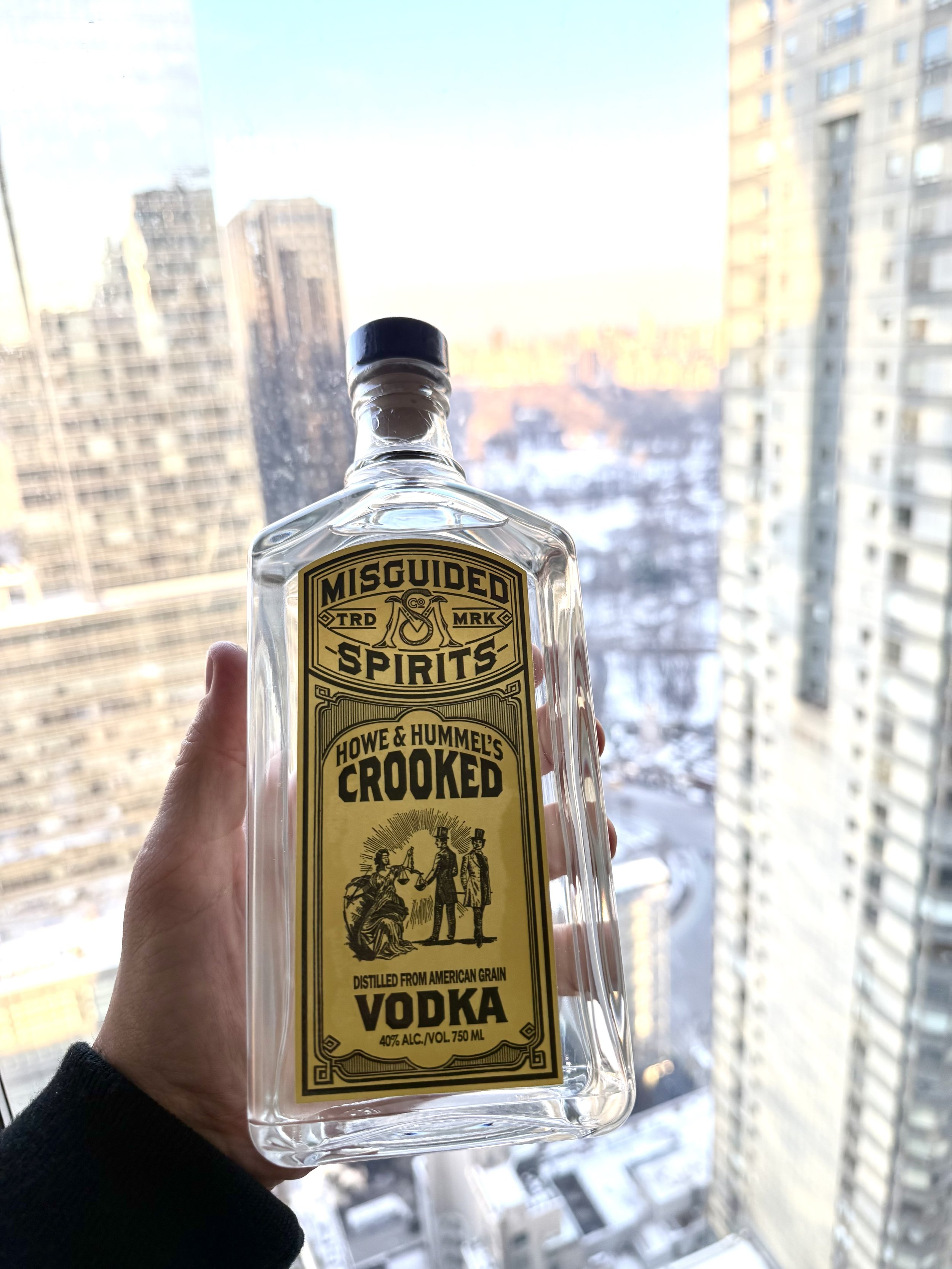
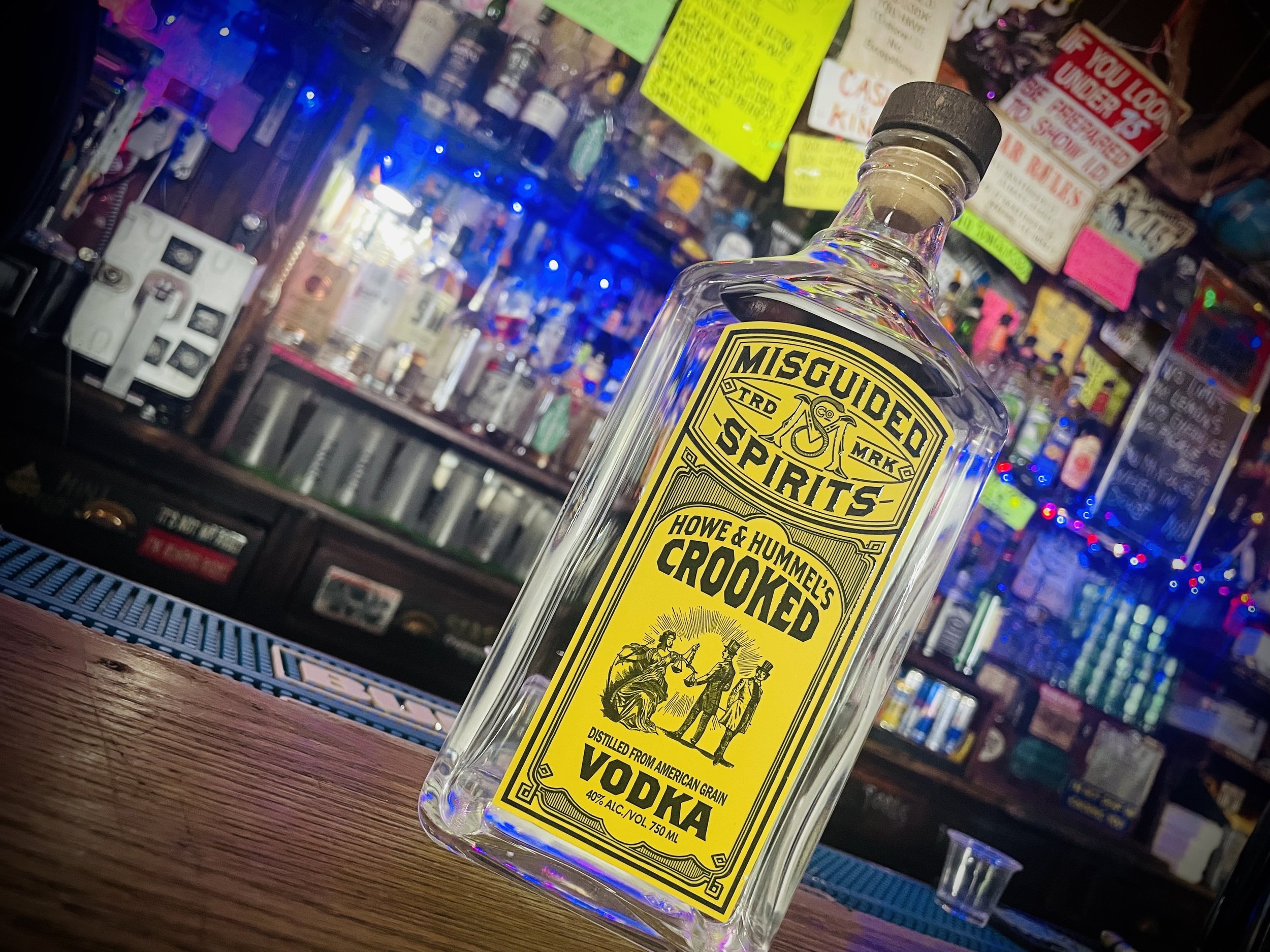
This is the second Misguided Spirits’ chronicle of some of the acceptable and outrageous lore of the legendary Howe & Hummel, the namesakes of “Howe & Hummel’s CROOKED Vodka, distilled by Misguided Spirits from American grown corn.”
Misguided Spirits brand of Howe & Hummel’s “Crooked Vodka,” was recently recognized as the top seller in in New York. That positive accolade is in sharp contrast to the zany lawyering of its namesake duo William F. Howe and Abraham H. Hummel, who, though considered among ‘the finest defense lawyers in turn of twentieth century New York, the two did epitomize that name “CROOKED!’
Let me preface this Part II of our “Crooked tale” by saying if there was a criminal tactic or lurid behavior known, or yet unknown, these two erstwhile gentleman crooks were knee deep in it and would even invent an evil/wicked deed, of their own, to achieve ever greater notoriety.
They were the essence, the very acme, of “crooked.”
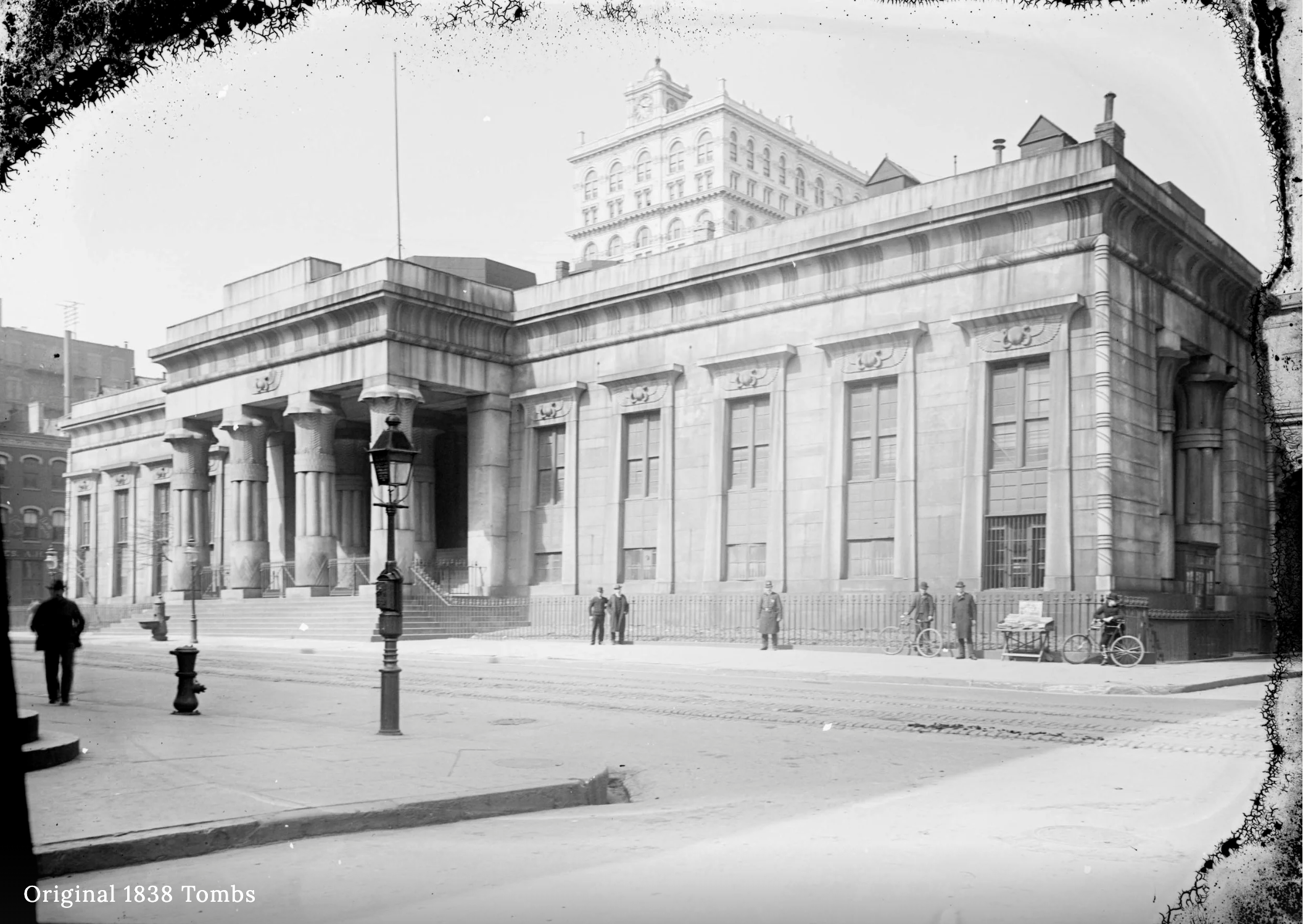
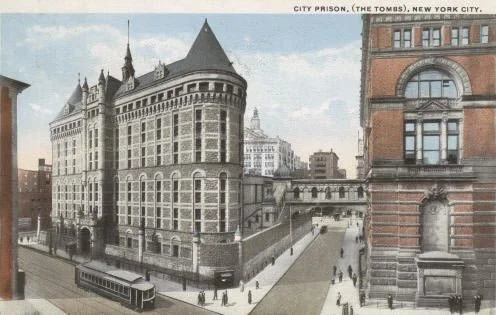
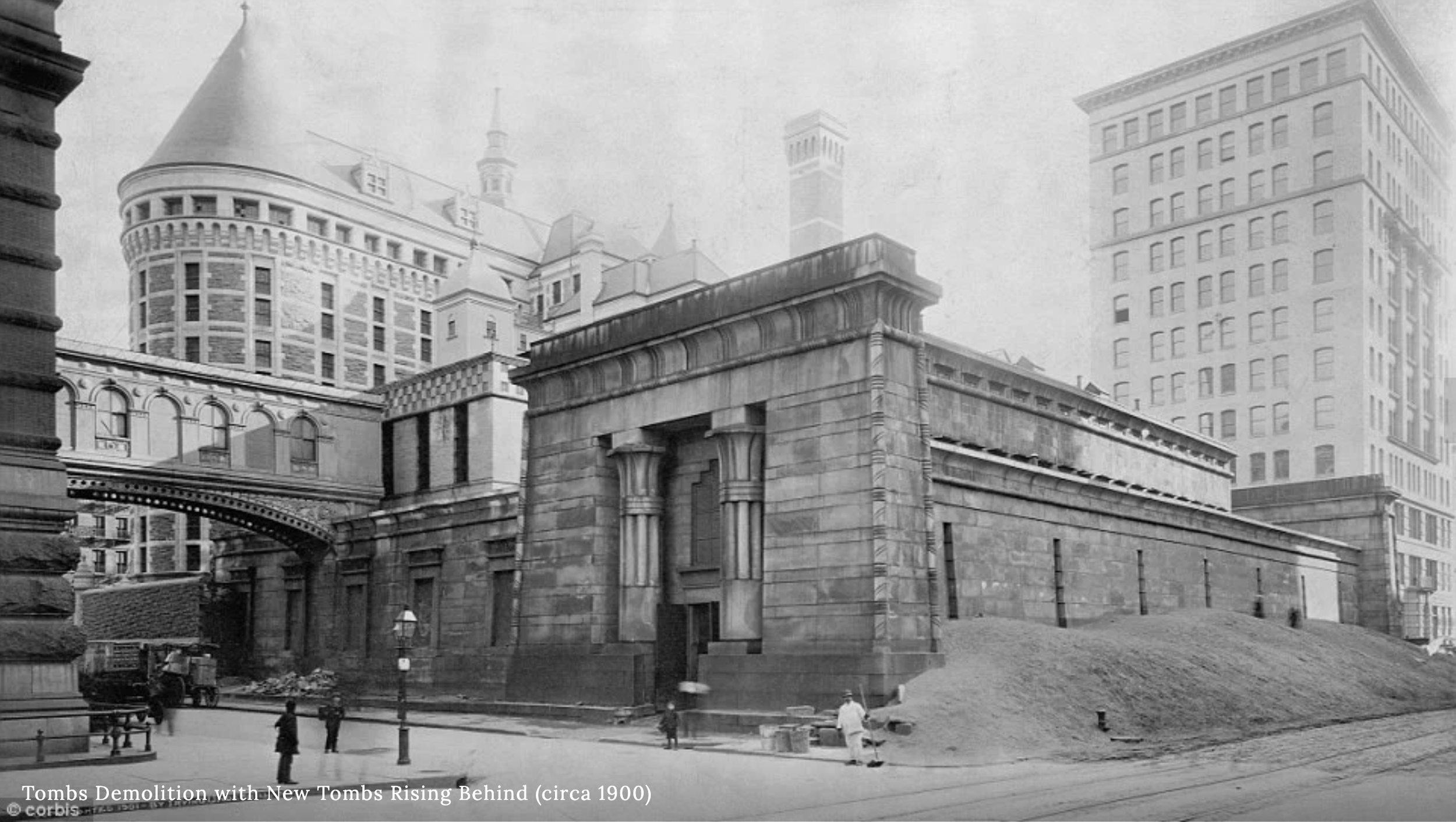
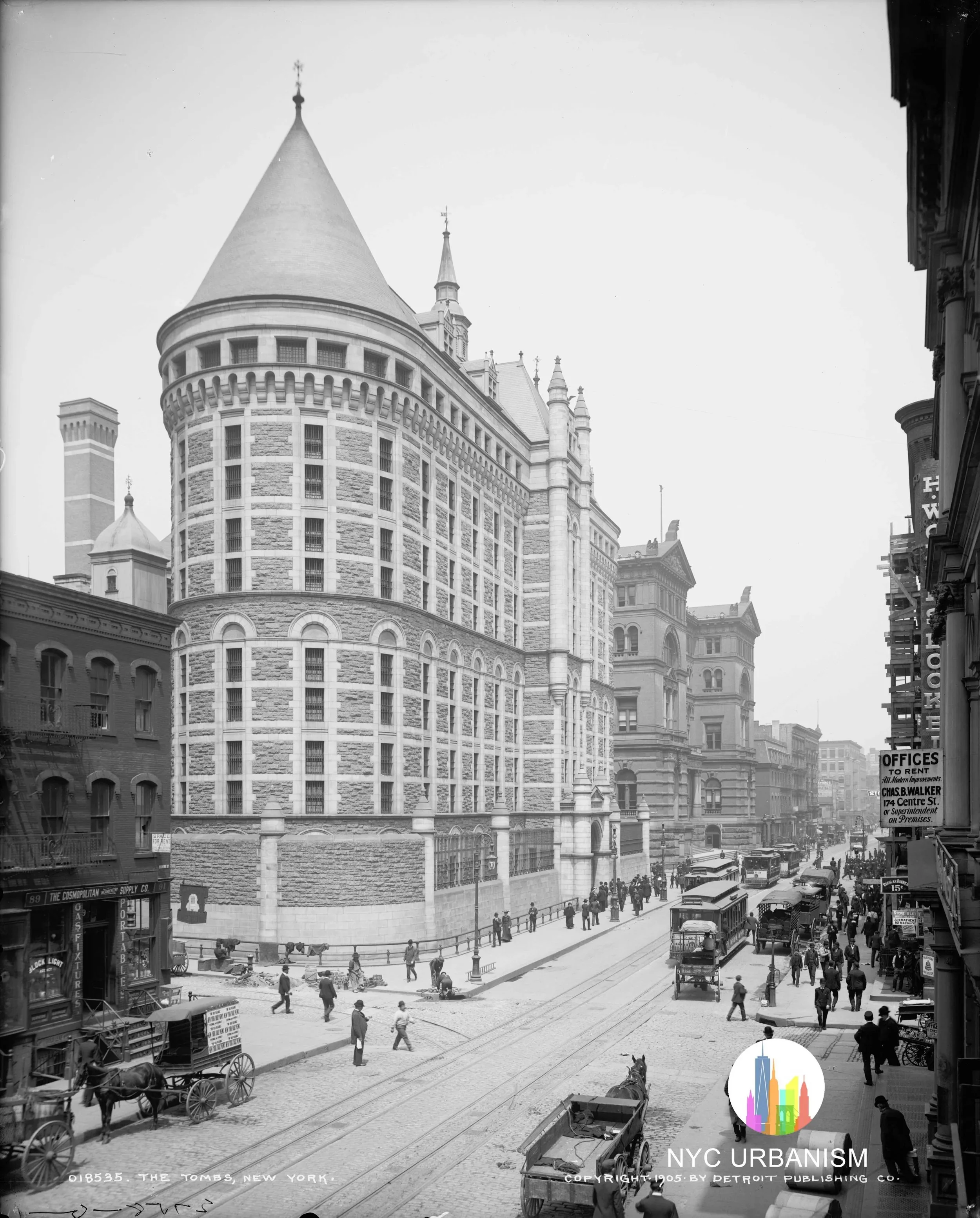
I have used the word “audacious” in describing their style of lawyering. Yep, audacious, and crooked are the two most apt descriptions for them. They were also spoken of in context of their office address near the Tombs (the jails) in lower Manhattan—89 Centre Street. And a veritable culture of criminal types and ne’er-do wells flourished in these environs.
The blight and mayhem of that era are gone now and a largely paved over park now covers the entire Centre Street block in 2026. That green park is now named the Collect Pond Park, where one can see the outlines of the Tombs in the empty cement ponds.
In my hours of research and reading about these two outlandish felons, I found myself laughing out loud, even in the solemn Rose Reading room of the New York Public Library.
While ‘Howe & Hummel’s Crooked Vodka’ has garnered bar room acclaim, it’s the details of their back story that pull you into their world, that cause you to gasp or as I did chuckle, smile and laugh out loud.
For the past month I have been educated about the “Swiss cheese” of the law as practiced by Howe & Hummel in New York City. Let me just cite a few instances and some cases that might make you laugh in wonderment, or cringe viscerally, as these two scared the populace at large and wreaked legal havoc in turn of the century New York City.
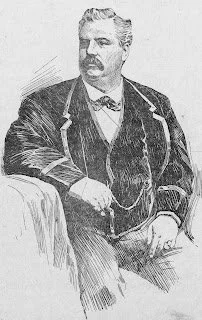
Howe was the more flamboyant of the two and handled most of the firm’s criminal work, participating in more than 600 murder trials. He had a peculiarly rhetorical style, even once delivering an entire summation on his knees for two hours, sometimes breaking into sobs, as if on cue to get the jury’s sympathy. Some of his colleagues even accused him of using an onion to instigate the tears.
Hummel on the other hand specialized in civil law and ran their thriving blackmail racket, representing chorus girls and thwarted lovers threatening married men.
Howe, was in the prime of his long career at the bar. Enormous of frame and girth, he adorned his court room suits in diamonds to show he was prosperous and often said that he loved the light they threw on his hands. So he would wear more diamonds on his fingers, on his watch chains and shirt studs. Dress was as important an adjunct of Howe’s courtroom technique.
Howe was ponderous though forceful, mentally as well as physically.
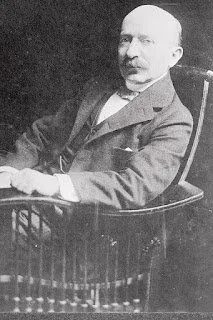
Hummel was sleek and fussy and crafty.
Howe was big and flamboyant.
Hummel was small and owlish.
Hummel, 21 years younger than Howe, seems to have been molded by the gods to play his partner’s stooge, or a sidekick-like Sancho Panza.
Hummel was five feet tall or a shade under, he had a huge head which was pear shaped bald and generally covered by a derby. Although he was runty rather than deformed he often left people with the impression that he was a hunchback.
Hummel had a black mustache more closely cropped than Howe’s. Hummel always wore black ensembles probably to highlight his partner’s more flamboyant outfits.
Different costumes each designed for a different legal purpose.
Those two striking figures were renowned for their skills in the arenas of blackmailing, unwieldy divorce proceedings, but were among the most influential forces in the world of theatrical law.
Many of the contractual and protective guidelines of today’s Broadway theatre business originated during that period of Howe & Hummel as stalwart defenders of performers and producers, and yet they duped many of these young starlets and aspiring thespians into participating in some of their lurid blackmailing schemes.
As recounted in the first installment of this dark tale of mischief and legal maneuvering, the innocent victims were encouraged to fabricate stories of affairs and relations with married men.
Overseen by a young legal member of the firm, the alleged affairs turned into divorces where our friends Howe & Hummel benefited from settlements, often more fair to them than the cooperating aspiring actors and musicians.
Of note in theatrical history is the legend of a salty, sexual play, Sapho. The theme of the play is the portrayal of the life of a lewd and dissolute woman presented on stage in a way offending human decency.
The lead actress of the play, Olga Nethersole, boasts in her opening that she is openly the mistress of a man played by an actor whose actions carrying her up a staircase were deemed “...vile and indecent.”
An actual complaint from the district attorney drew out the decency police. Nethersole was arrested as were the theatre owner, one Theodore Moss, on the misdemeanor. And they, of course, called Howe and Hummel.
By this time in 1900, Howe and Hummel had the largest and most sophisticated theatrical practice in the country. That was the work of Little Abe, who was such a predictable presence at Broadway opening nights that if he did miss an opening, and it was noted among a play’s cast, it was taken as an ill omen.
He was a force on the Great White Way. His client list ranged from the legendary Lillie Langtry to Jo Jo, the dog-faced boy.
When an attempt to blackmail the legendary John Barrymore failed and he claimed he had no reputation to preserve. He hired Hummel as did Mark Twain who was fighting a lawsuit against a deal to present a stage version of The Prince and the Pauper.
Hummel further cemented his influence in the theatre community when he became counsel to the Actors Fund and represented theater managers in their successful effort to refuse to honor tickets bought from scalpers.
A practice still in existence in the theatre market place.
He was also the legal representative of the French Society Dramatists. On their behalf, he won a landmark decision that granted copyright protection to foreign works, a practice that remains today.
These are just a few of the legitimate efforts in theatrical legal books, that the “misguided” Howe and Hummel did alongside their darker blackmailing, ugly divorces for actress Lillian Russell (a regular in the waiting room at 89 Centre Street) and even against the rumored and unproven murder tales that remain in their lore and history.
This was also the era of Tammany Hall, the corrupt Democratic machine that ran the city for the better part of fifty years.
According to Cait Murphy, author of “Scoundrels in Law”
“The most enduring, beautiful and notorious monument to Tammany excess sits just a few blocks north of the site of Howe & Hummel’s offices in the form of the New York County CourtHouse, known infamously then, and now, as the Tammany Court House.”
Howe and Hummel did not spring out of a void. The firm was the creature of a time and place.
Immediately after the civil war, New York grew at a rate never seen before or since. And crime and corruption flourished.
Their names and reputations are not up there with other scoundrels of the Tammany Hall era, nor are they touted for achievements in the Gilded Age of old New York.
In summary
These two notorious felons first met in 1863 when Hummel went to Howe’s office housing his small practice at 89 Centre Street, Hummel was looking for a job as an office boy. Six years later Hummel was Howe’s full partner.
Depending who you read, they were “famous” or “infamous”, but no one doubted their meriting the title of “crooked.”
They made a fortune and earned a dubious reputation throughout their careers.
When Howe died in 1902 he was eulogized as the “dean of the criminal bar.”
Hummel continued on, maintaining the dual moniker of “Howe and Hummel.”
Together they had earned a reputation as a brand among the practitioners of the criminal trades. They were legends for being the first call made by villains of all varieties.
After Howe’s death, and extensive reform to “clean up” the city, Hummel became a prisoner of the Tombs himself, mingling behind the same jail bars as many of his former clients. He pleaded that his incarceration was unjust and claimed he was “as innocent as a newborn babe.”
He was freed after a mere four hour trial but seven months later he was disbarred and in 1907, he was shipped to Blackwell’s island, an exit heralding his ultimate doom.
At this point, it was clear his career was careening out of control.
His once beautiful and enviable mustache was shorn to serve his sentence. When he got out in 1908 he set sail for England and on that note, Howe and Hummel was finished. Over.
The End
The two indeed had a great ride, while it lasted.
When Howe and Hummel was in its prime, they thrived by connecting into the diverse social spectrum of New York City. In her detailed chronicles of these “Scoundrels in Law” (her book of that name) Cait Murphy quotes one of the many and varied criminals who came across the office threshold at 89 Centre Street.
‘The waiting room benches were always filled with the damnedest collection of people you ever saw. From the actress Lillian Russell to dope peddlers, green goods men, bookmakers and any number of queer-looking murder witnesses. There was enough there for a wax museum and a freak show.”
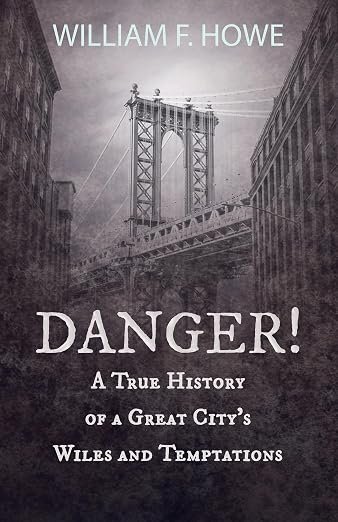
In the days and weeks that I spent researching these two characters, I read of schemes and tales that have indeed filled numerous books. I have recommended some the best and most enticing volumes telling their confounding story.
Their demise and deaths went virtually unnoticed and today they lay in obscure grave sites and are all but forgotten. Their skills were questionable but Misguided Spirits recognizes their unique brand in a cocktail spirit.
In conclusion, I draw again from author Cait Murphy,
“....however one adds up the ledger of Howe and Hummel’s career, one thing can be said: there was never a dull moment.”
“Howe and Hummel’s CROOKED Vodka” promotes the attributes of this brand with hopes that consumers enjoy the quality of this American product, distilled six times to ensure a smooth and enjoyable beverage straight up or in a classic martini. Cheers!
Written by Michael Howell
Read this also on the Misguided Spirits Substack: https://misguidedspirits.substack.com/
“It has been a long time since I have been so captivated by non fictional characters, but the
antics of these two legendary figures borders on caricature and classic comedy.
I hope that I have resuscitated some curiosity in these two American legends.
I personally recommend for your additional reading pleasure:
Recommendations:
Scoundrels In Law: The Trials of Howe & Hummel
Lawyers to the Gangsters, Cops, Starlets and Rakes Who Made the Gilded Age
by Cait Murphy
First edition 2010, Harper Collins
I bought this resource book for myself from The Rabbit Book & Bar
In the East Village in New York City
Howe & Hummel
“Their True and Scandalous History”
By Richard H. Roevere
There is a second edition of the Roevere history
With an exceptional Introduction by Calvin Trillin
And includes period illustrations by Reginald Walsh
First published in 1947, Arlington Books
Renewed in 1974, Arlington Books
A personal footnote from Michael, your Misguided Raconteur
In today’s news cycles, we are constantly baffled and amazed by the gall of some of our current and recent elected officials. It’s bad and some days seem downright unbelievable or for that matter “illegal.”
No specific events, executive orders and statements need by cited here.
But, in turning back the pages of history, we do find precedent in the “Crooked” world of Howe and Hummel. I’ll say no more….Oh yes I will. Ill head over to my local watering hole where I know I can celebrate another kind of “Crooked”!
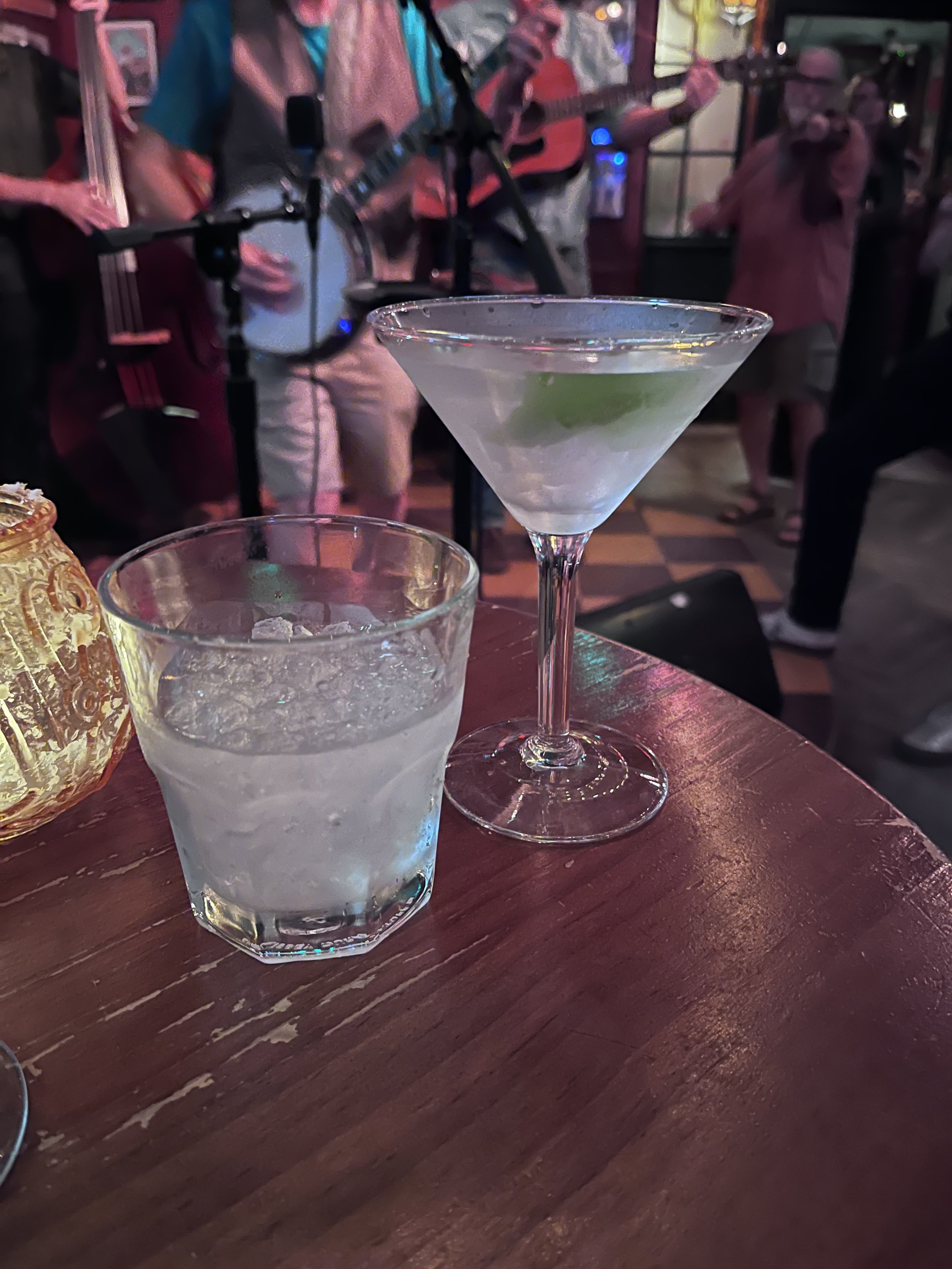
“Jack? My usual, a Crooked Martini with a rinse of Mezcal!” Their legacy does live on in this smooth 6x distilled American grain beverage!
Cheers, and dirty ice on the side, and garnish with a slice of lime!